
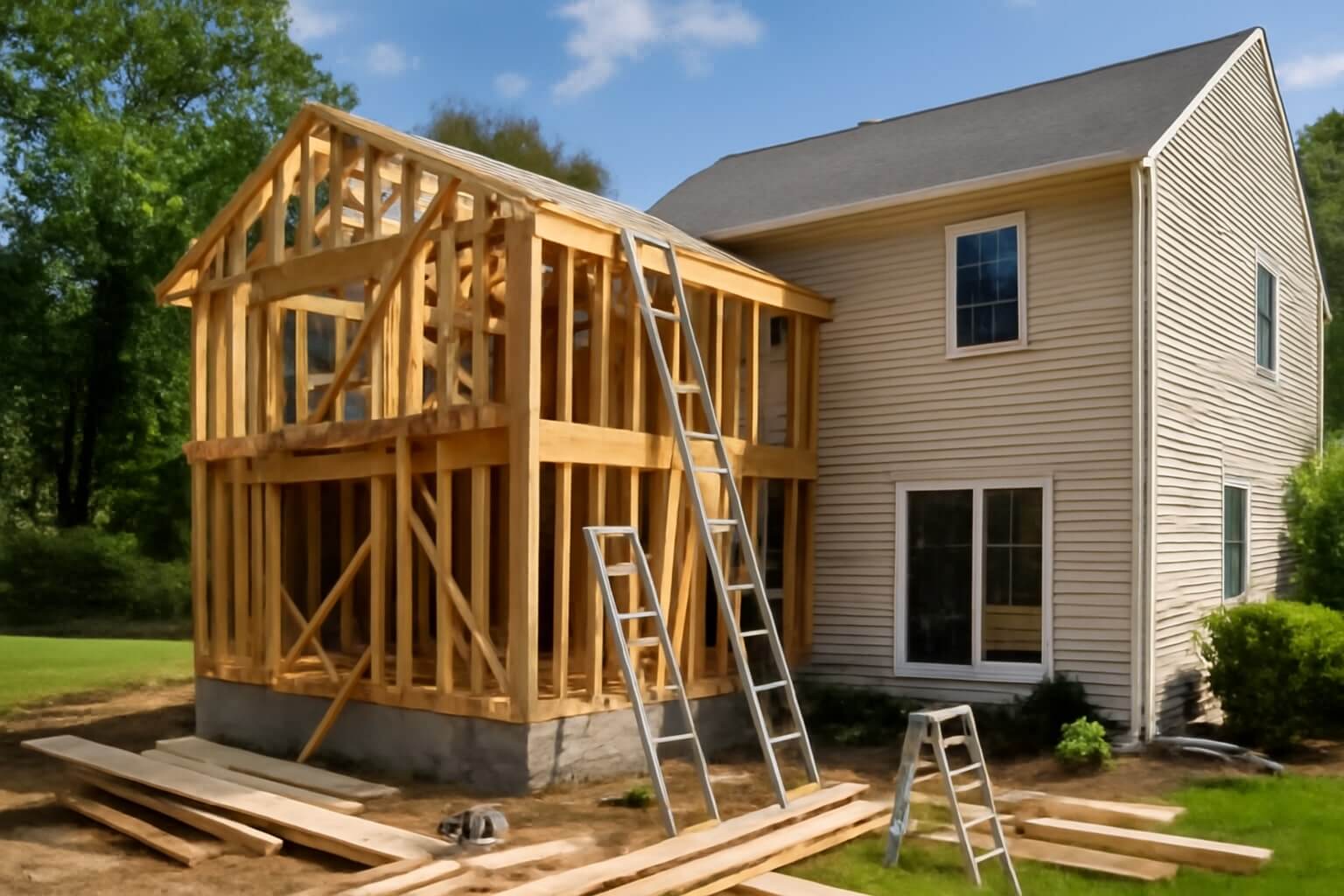
When considering a home addition, you might wonder how long the process will take. The timeline can vary widely based on several factors, like your budget and design choices. Additionally, local permitting can introduce unexpected delays. To give you a clearer picture, it’s essential to understand the steps involved and how to navigate potential obstacles. Let’s explore what influences the duration of your home addition project.
Key Takeaways
- Home additions typically take several months to complete, depending on design complexity and contractor efficiency.
- Permitting can significantly affect timelines, often taking weeks to months for approval.
- Delays may arise from weather interruptions, supply chain issues, and labor availability.
- Effective project management and clear communication with contractors can help keep the timeline on track.
- Final touches can take additional weeks, depending on the complexity of the details involved.
Factors Affecting the Timeline of Home Additions
When planning a home addition, several factors can affect your timeline, making it essential to evaluate each one carefully.
Budget considerations play a significant role; unforeseen expenses can delay your project, so it’s wise to allocate a contingency fund.
Additionally, design flexibility impacts your schedule. If you’re open to modifying your plans, you might streamline the construction process. However, if you insist on specific details, it could prolong the timeline.
Collaborating with experienced professionals can help you navigate these factors efficiently, ensuring you stay on track while achieving your vision for the addition.
Prioritizing these elements will lead to a smoother project.
The Permitting Process: What to Expect
To successfully navigate the permitting process for your home addition, you’ll need to understand what to expect at each step. Familiarize yourself with local permitting requirements, as these can vary considerably. Generally, the approval timeline can take anywhere from a few weeks to several months. Here’s a breakdown of the process:
| Step | Description | Typical Duration |
|---|---|---|
| Application | Submit required documents | 1-2 weeks |
| Review | Local authority reviews submission | 2-4 weeks |
| Corrections | Address any feedback | 1-3 weeks |
| Final Approval | Receive official permit | 1-2 weeks |
| Start Construction | Begin your home addition | – |
Selecting the Right Contractors
Selecting the right contractors for your home addition is vital, as they can greatly impact the project’s success and your overall satisfaction.
Start by researching contractor qualifications—confirm they’ve the necessary licenses, insurance, and experience in home additions. Check their references and past projects to gauge their reliability and craftsmanship.
Effective project management is important, so look for contractors who communicate clearly, set realistic timelines, and stay within budget. Interview multiple candidates to compare their proposals and approaches.
Ultimately, choosing a contractor who aligns with your vision will help guarantee a smooth process and a successful outcome for your home addition.
Planning and Design Phase
As you commence the planning and design phase of your home addition, it’s essential to establish a clear vision that aligns with your needs and preferences.
Start by outlining your design considerations, such as space utilization, style, and functionality. Consider how the addition will blend with your existing home.
Next, engage in budget planning to guarantee your vision is financially feasible. Factor in materials, labor costs, and any potential unexpected expenses.
Collaborate with your contractor and designer to refine your ideas, making sure that every detail is accounted for.
This structured approach will set a solid foundation for your project.
Construction Timeline Breakdown
Now that you’ve completed the planning and design phase, it’s time to break down the construction timeline.
Understanding the pre-construction planning stages, the various construction phases, and the final inspection process will keep your project on track.
Let’s explore these key components to guarantee a smooth addition to your home.
Pre-Construction Planning Stages
Before breaking ground on your home addition, it’s crucial to navigate the pre-construction planning stages effectively. This phase sets the foundation for a successful project.
You’ll need to focus on key elements to guarantee everything runs smoothly:
- Define your design requirements to align with your vision and needs.
- Assess budget considerations to avoid unexpected financial stress.
- Obtain necessary permits to comply with local regulations.
Construction Phases Overview
Once you’ve completed the planning stages, it’s time to plunge into the construction phases, where your vision begins to take shape. Each phase plays a critical role in achieving your project milestones.
Initially, demolition and site preparation set the groundwork, followed by framing, which outlines the structure.
Next, you’ll see mechanical, electrical, and plumbing installations come to life. After that, the focus shifts to insulation and drywall, creating the interior shell.
Finally, finishing touches like flooring and paint finalize your addition. Keeping track of these construction phases guarantees you stay on schedule and aligned with your overall project timeline.
Final Inspection Process
The final inspection process is a crucial step in your home addition project, ensuring that everything meets building codes and safety standards.
Your inspector will review your project using an inspection checklist, focusing on key areas to determine if it meets the pass criteria.
- Structural integrity and safety features
- Electrical and plumbing systems functionality
- Compliance with zoning and building regulations
Once your project passes, you’ll receive the final approval, allowing you to enjoy your new space.
If there are issues, be prepared for potential re-inspections until everything aligns with the required standards.
Common Delays and How to Avoid Them
When planning a home addition, understanding common delays can save you time and frustration. Unexpected setbacks, like permitting issues or weather interruptions, can derail your timeline. Effective project management is essential to minimize these delays. Here’s a quick overview of common delays and how to handle them:
| Delay Type | Causes | Solutions |
|---|---|---|
| Permitting Delays | Incomplete applications | Double-check all paperwork |
| Weather Interruptions | Rain or snow | Plan for seasonal changes |
| Supply Chain Issues | Material shortages | Order materials early |
| Labor Availability | Skilled worker shortages | Schedule ahead of time |
Tips for Staying on Schedule
To keep your home addition project on track, establish a clear timeline from the start.
Regular communication updates with your contractor and team help guarantee everyone stays informed and accountable.
Clear Project Timeline
Creating a clear project timeline is essential for keeping your home addition on track and minimizing stress. Effective timeline management helps you meet project milestones and guarantees everyone is aligned.
Here are three tips to help you stay on schedule:
- Set realistic deadlines: Break down the project into manageable phases and assign completion dates.
- Prioritize tasks: Identify critical tasks that affect overall progress and tackle them first.
- Monitor progress: Regularly review the timeline and adjust as needed to stay on track.
Regular Communication Updates
Regular communication updates are essential for ensuring that your home addition project stays on schedule and everyone involved remains informed.
Implementing effective communication strategies helps you track progress and address potential issues quickly. Schedule regular check-ins with your contractor to receive timely project updates, and don’t hesitate to ask questions.
Utilize digital tools like project management apps for real-time updates, or create a dedicated group chat for quick communication. Keeping everyone in the loop fosters collaboration and minimizes misunderstandings, ultimately leading to a smoother process.
Stay proactive, and your home addition will progress as planned, without unnecessary delays.
Final Touches and Completion Timeframe
As you approach the final stages of your home addition project, you’ll find that the last touches play an essential role in transforming the space into a cohesive part of your home.
These final touches can greatly impact the overall aesthetic and functionality. Here’s what you might consider:
- Selecting paint colors that complement existing decor
- Installing fixtures and fittings that enhance usability
- Adding personal decor elements for warmth and character
Typically, completing these final touches can take a few weeks, depending on the complexity of the details.
Stay engaged during this phase to guarantee smooth project completion and a beautiful new addition.
Conclusion
In summary, understanding the timeline for your home addition is essential for a successful project. By considering factors like permitting, contractor selection, and design, you can better anticipate the overall timeframe. Staying proactive and communicating with your team can help you navigate common delays. Ultimately, with careful planning and a clear vision, you can guarantee your home addition is completed efficiently and meets your expectations, turning your dream space into a reality sooner than you might think.