
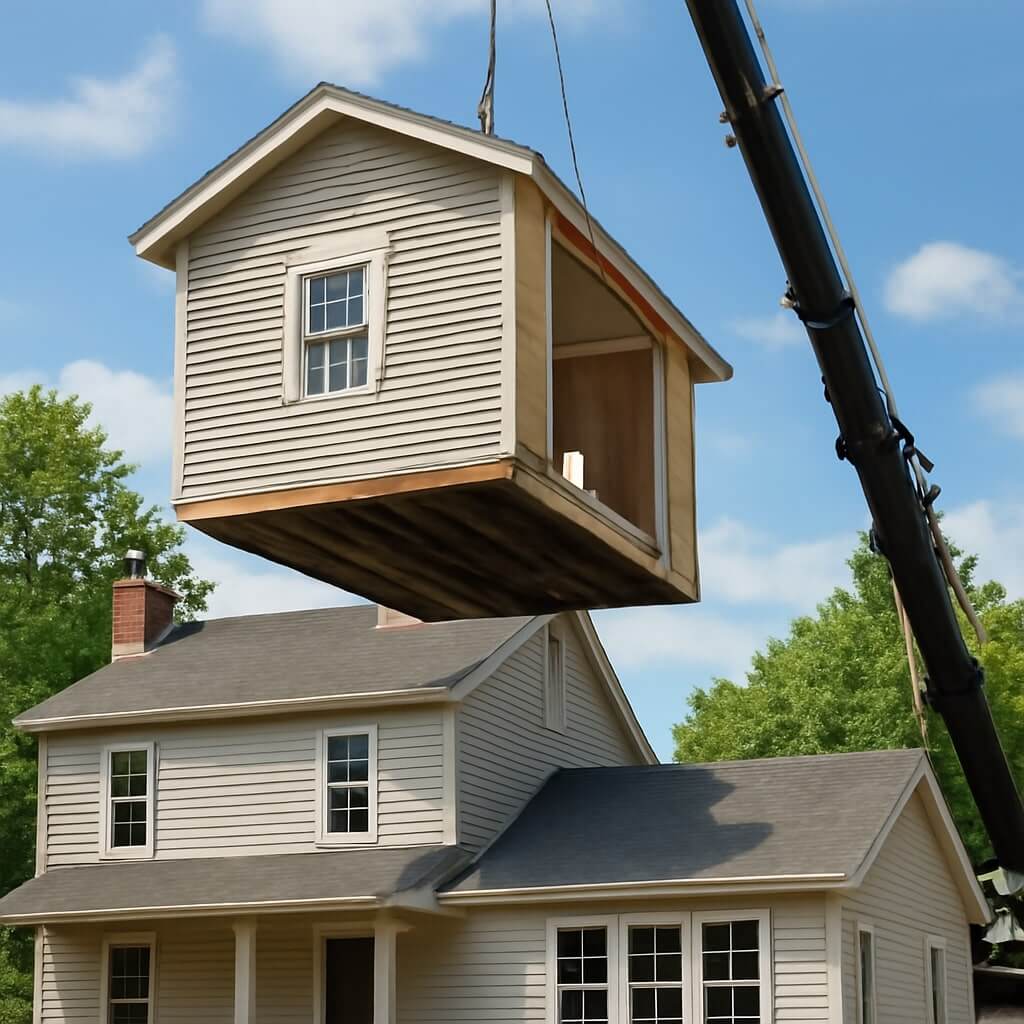
When considering home modular additions, you have a range of design options that can align with your vision and functional needs. From sleek, modern aesthetics to more traditional styles, the choices are vast. Customizable kits allow for tailored layouts, while energy-efficient materials enhance practicality. However, the real challenge lies in seamlessly integrating these additions with your existing structure. What factors should you consider to achieve a cohesive look?
Key Takeaways
- Modular additions can feature stackable units to maximize vertical space, ideal for homes with limited land area.
- Expandable modules offer flexibility, allowing homes to grow with changing family needs over time.
- Pre-engineered panels ensure quick assembly while enhancing energy efficiency in the design.
- Customizable kits allow homeowners to tailor layouts and finishes to match their personal style preferences.
- Popular styles include modern aesthetics for minimalism and traditional designs for a warm, classic feel.
Understanding Modular Additions
When considering a modular addition to your home, it’s essential to grasp what these structures entail.
Modular designs are prefabricated units, crafted off-site and transported for assembly on your property. These efficient designs streamline the home expansion process, reducing on-site construction time and minimizing disruptions.
You’ll find various styles and layouts tailored to your needs, from extra bedrooms to office spaces. Understanding the specifications, such as materials and energy efficiency, is key to making informed decisions.
Emphasizing adaptability, modular additions can evolve with your lifestyle, providing functional spaces that enhance your home’s value and aesthetic appeal.
Benefits of Home Modular Additions
When you consider home modular additions, you’ll find they offer significant cost-effective solutions compared to traditional construction methods.
The quick installation process not only minimizes disruption to your daily life but also allows you to enjoy your expanded space sooner.
Cost-Effective Solutions
Although many homeowners see modular additions as a significant investment, these structures often deliver cost-effective solutions that can enhance both functionality and property value.
By utilizing affordable materials and an efficient layout, you can create spaces that meet your needs without breaking the bank.
Consider these benefits:
- Reduced construction waste, promoting sustainability
- Lower labor costs due to streamlined assembly
- Increased energy efficiency from modern designs
- Enhanced resale value, making it a smart investment
These factors combine to make modular additions an appealing choice for those looking to expand their homes while keeping an eye on the budget.
Quick Installation Process
Because modular additions are pre-fabricated off-site, they often feature a remarkably quick installation process that can greatly reduce disruption to your home life.
You’ll benefit from prefabricated elements that arrive ready to assemble, considerably shortening the installation timeline compared to traditional construction. This efficiency minimizes on-site labor, noise, and mess, allowing you to maintain your routine with minimal interruption.
Plus, the streamlined process often leads to fewer weather-related delays, ensuring your project stays on track. Embracing modular additions means you can enjoy your new space sooner while experiencing less stress throughout the construction phase.
Types of Modular Designs
As you explore the various types of modular designs for home additions, you’ll discover that each option presents unique advantages tailored to different needs and preferences.
Utilizing modular materials enhances design flexibility, allowing you to create a space that truly reflects your lifestyle.
Here are four popular types of modular designs:
- Stackable Units: Ideal for vertical expansion, these units maximize limited space.
- Expandable Modules: Perfect for growing families, they adapt as your needs change.
- Pre-Engineered Panels: Offer quick assembly and energy efficiency.
- Customizable Kits: Provide the freedom to tailor layouts and finishes to your taste.
Each type guarantees a seamless integration into your existing home.
Popular Styles for Modular Additions
When considering modular additions for your home, you’ll find a variety of styles that can enhance both functionality and aesthetic appeal.
Popular options include sleek, modern aesthetics characterized by clean lines and open spaces, perfect for those wanting a contemporary vibe. On the other hand, traditional designs often incorporate classic architectural elements, which can seamlessly blend with older homes.
Each style offers unique advantages; modern aesthetics prioritize efficiency and minimalism, while traditional designs evoke warmth and familiarity.
Evaluating your existing home’s architecture will help you choose a modular addition that complements your space and meets your personal preferences.
Customization Options for Modular Spaces
While many homeowners appreciate the benefits of modular additions, they often overlook the extensive customization options available to tailor these spaces to their specific needs.
By incorporating custom features, you can optimize your new area for functionality and aesthetics. Consider these options:
Incorporating custom features optimizes your space for both functionality and aesthetics, truly enhancing your modular addition.
- Flexible layouts for multifunctional use
- Energy-efficient materials to reduce costs
- Smart home technology for enhanced convenience
- Personalized finishes to match your style
These choices not only enhance your modular space but also guarantee it serves your lifestyle effectively, making the most of every square foot.
Space optimization is key to achieving your vision.
Integrating Modular Additions With Existing Structures
When you’re integrating modular additions with your existing structure, architectural compatibility is key to maintaining visual harmony.
You’ll want to employ design cohesion strategies that align the new spaces with your home’s character while ensuring structural integrity.
Exploring various integration techniques can also help seamlessly blend these additions, creating a unified living environment.
Architectural Compatibility Considerations
Integrating modular additions with existing structures requires careful consideration of architectural compatibility to secure a cohesive aesthetic and functional harmony.
To achieve architectural harmony, focus on the following aspects:
- Material consistency: Use similar materials for both new and existing structures.
- Color palette: Confirm the color scheme aligns with the original design aesthetics.
- Rooflines: Match pitch and style to create visual unity.
- Proportions: Maintain scale and proportion for a balanced appearance.
Design Cohesion Strategies
To guarantee design cohesion in modular additions, it’s essential to focus on unifying elements that bridge the new and existing structures.
Start by applying design principles like proportion and scale; ensuring the new addition complements the original home. Choose materials and colors that resonate with existing features, fostering aesthetic harmony.
Incorporating similar architectural details, such as window styles or rooflines, can also create a seamless connection. Additionally, consider landscaping to integrate both structures visually, enhancing the overall experience.
Structural Integration Techniques
While achieving structural integrity in modular additions, it’s essential to examine how the new construction interacts with the existing framework.
You’ll need to evaluate various structural integration techniques, focusing on essential factors like:
- Structural reinforcement methods to enhance stability
- Load bearing considerations to guarantee safety and compliance
- Seamless shifts between old and new materials
- Proper anchoring systems to secure connections
Budgeting for Your Modular Addition Project
As you commence on your modular addition project, establishing a clear budget is vital to navigate potential costs effectively.
Start with a detailed budget estimation, factoring in materials, labor, permits, and design fees. Consider potential contingencies—unexpected expenses can arise, so it’s wise to allocate an additional 10-15% of your budget.
Engage in thorough financial planning by researching local costs and exploring financing options if necessary. Prioritize your needs and preferences to guarantee your budget aligns with your vision.
Conclusion
To sum up, home modular additions provide a wealth of design options that cater to diverse tastes and functional needs. By understanding the various styles and customization possibilities, you can seamlessly integrate these structures with your existing home. Whether you prefer a modern aesthetic or classic elements, modular designs offer energy efficiency and smart technology to enhance your living space. Ultimately, the right modular addition can elevate your home’s value and functionality, making it a smart investment for your future.