
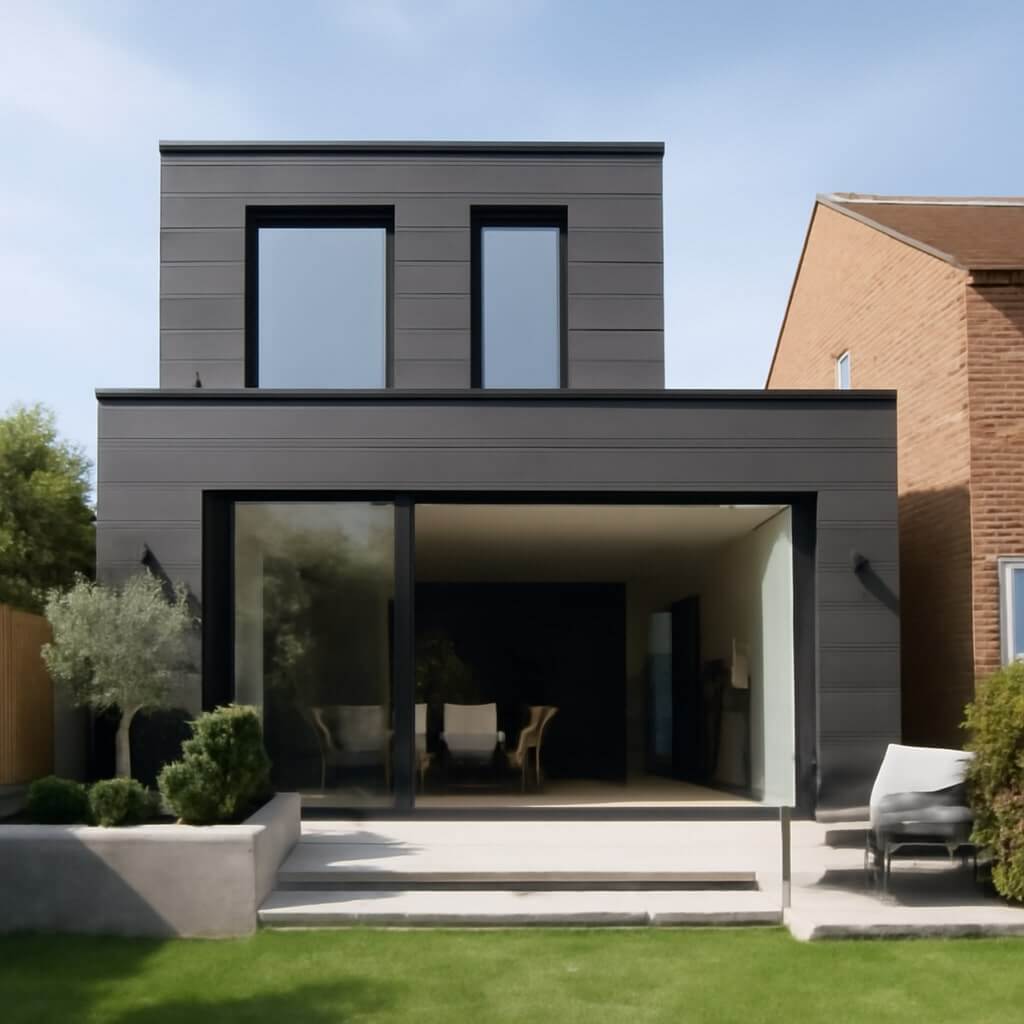
When you’re planning a contemporary home addition, it’s vital to start with a clear understanding of your goals and needs. This isn’t just about expanding your space; it’s about creating a cohesive environment that enhances your lifestyle. You’ll need to navigate zoning laws, budget constraints, and design aesthetics that complement your existing structure. But that’s just the beginning—there are important factors that can greatly impact the success of your project. What should you consider next?
Key Takeaways
- Conduct a needs assessment to identify specific requirements for your contemporary home addition, ensuring it aligns with your lifestyle and future plans.
- Research local zoning laws and regulations to ensure compliance and obtain necessary permits for your project.
- Set a realistic budget by researching costs and including contingencies for unexpected expenses during the construction process.
- Choose a design style that emphasizes modern aesthetics, blending seamlessly with existing architectural elements for enhanced home appeal.
- Hire qualified professionals with experience in contemporary designs, ensuring they can effectively execute your vision and add value to your home.
Define Your Goals and Needs
When you commence planning a home addition, it’s essential to define your goals and needs clearly.
Start with a thorough need assessment, identifying specific requirements like additional space or improved functionality.
Begin with a comprehensive needs assessment to pinpoint your requirements, such as extra space or enhanced functionality.
Next, engage in goal prioritization, ranking your objectives based on importance and feasibility.
Consider how each goal aligns with your lifestyle and future plans.
This structured approach not only clarifies your vision but also streamlines the decision-making process.
Research Local Zoning Laws and Regulations
Before you start planning your home addition, it’s essential to understand the zoning restrictions in your area.
These regulations can dictate everything from the height of your structure to how close it can be to property lines.
Additionally, checking for any necessary building permits will guarantee your project complies with local laws and runs smoothly.
Understand Zoning Restrictions
How can you guarantee your home addition aligns with local regulations? Understanding zoning restrictions is essential.
Start by researching your property’s zoning classification, as it dictates allowable land use and limits.
Here are three key steps to follow:
- Check Zoning Classifications: Identify if your area is residential, commercial, or mixed-use.
- Review Land Use Regulations: Understand what modifications are permitted in your zoning category.
- Consult Local Authorities: Engage with zoning boards or city planners for specific insights.
Check Building Permits
Understanding zoning restrictions sets the foundation for your home addition, but checking building permits is the next vital step. You’ll need to submit a permit application that adheres to local building codes. This process guarantees your addition is safe and compliant.
Here’s a quick overview of what to take into account:
| Permit Type | Key Considerations |
|---|---|
| Residential Additions | Size, height, and setbacks |
| Structural Changes | Engineering approval needed |
| Electrical Work | Qualified electrician required |
| Plumbing Installations | Compliance with local codes |
Set a Realistic Budget
Setting a realistic budget for your home addition is essential to ensuring the project runs smoothly and stays within financial boundaries.
To achieve this, consider these budgeting strategies:
- Research Costs: Gather cost estimations for materials, labor, and permits to form a solid foundation for your budget.
- Include Contingencies: Allocate 10-15% of your budget for unexpected expenses; this helps you navigate unforeseen challenges.
- Prioritize Needs: Identify must-haves versus nice-to-haves, allowing you to focus your budget on essential features.
Choose the Right Design Style
Once you’ve established a budget that accommodates both your needs and potential surprises, you can turn your attention to the design style of your home addition. Emphasizing modern aesthetics guarantees your addition complements your existing space while achieving architectural harmony. Consider how different styles can enhance your home’s character, such as:
| Design Style | Key Features |
|---|---|
| Contemporary | Clean lines, open spaces |
| Minimalist | Functional, uncluttered |
| Industrial | Raw materials, urban feel |
Selecting the right design will not only elevate your home’s appeal but also create a seamless blend between old and new.
Consider Energy Efficiency and Sustainability
As you plan your home addition, prioritizing energy efficiency and sustainability can greatly impact both your comfort and your utility bills.
Consider these essential strategies:
- Choose energy efficient materials like insulated windows, which minimize heat loss and reduce energy consumption.
- Incorporate sustainable design principles, ensuring your addition complements natural light and ventilation for better airflow.
- Utilize renewable energy sources such as solar panels, which can considerably lower your energy costs over time.
Hire the Right Professionals
Selecting the right professionals is just as important as focusing on energy efficiency in your home addition.
Start with careful contractor selection; research their credentials and past projects. Look for specialists who understand contemporary designs and sustainable practices. Schedule professional consultations to discuss your vision and gather diverse perspectives. This not only guarantees you’re on the same page but also helps identify potential challenges early on.
Ask for references and review their portfolios to gauge their expertise. The right team won’t only realize your dreams but also enhance the overall value and efficiency of your home addition.
Plan for Disruption and Adjustments
While planning your home addition, it’s essential to anticipate the inevitable disruptions that come with construction.
Effective construction timeline management is vital to minimize chaos. Consider these key points:
- Temporary living arrangements: If your home becomes uninhabitable, plan for a short-term rental or stay with family.
- Communication: Stay in touch with your contractor to monitor progress and address issues promptly.
- Flexibility: Be prepared for unexpected changes in your timeline or budget; adjustments are part of the process.
Conclusion
Incorporating these seven essential tips will streamline your planning process for a contemporary home addition. By clearly defining your goals, staying informed about zoning laws, and setting a realistic budget, you can avoid common pitfalls. Choosing a design style that complements your home and prioritizing energy efficiency will enhance both aesthetics and functionality. Hiring qualified professionals guarantees expert guidance, while planning for disruptions keeps stress at bay. With open communication and adaptability, you’ll achieve a seamless addition that meets your needs.