
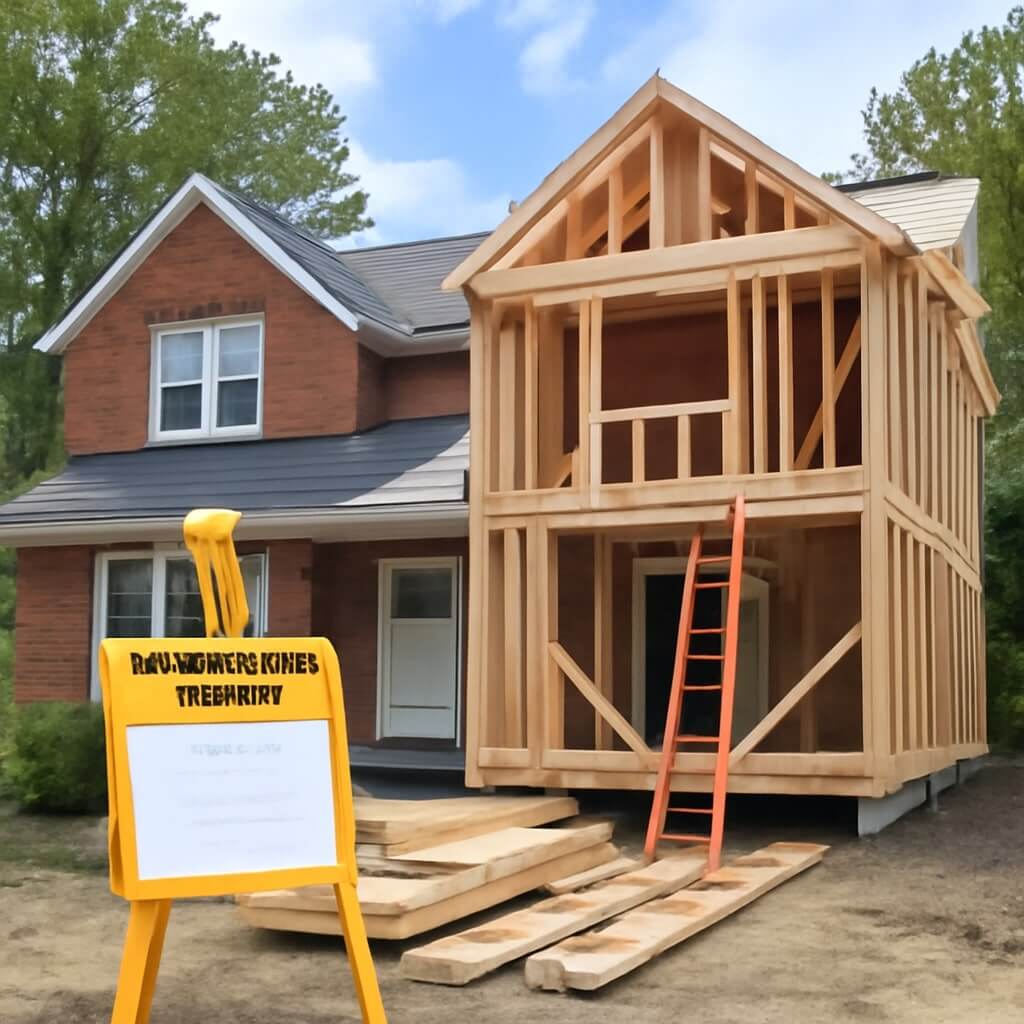
Charting construction loans for your home addition can seem intimidating, but with the right approach, it doesn’t have to be. You’ll want to familiarize yourself with various loan types and understand how they differ from traditional mortgages. By evaluating your financing needs and preparing a detailed budget, you can position yourself for success. However, there are key steps and potential pitfalls that can impact your project’s outcome. Let’s explore how to streamline the process effectively.
Key Takeaways
- Understand the types of construction loans available, including construction-to-permanent, stand-alone, and renovation loans, to choose the best fit for your project.
- Create a detailed project budget that includes all costs, such as materials, labor, permits, and a contingency fund for unexpected expenses.
- Gather necessary documentation like proof of income, credit reports, and project scopes to streamline the loan application process.
- Maintain open communication with your contractor and lenders to ensure timely project updates and avoid mismanagement of funds.
- Regularly monitor your budget and expenses throughout the project to adapt to any changes and prevent budget overruns.
Understanding Construction Loans: What You Need to Know
When you’re considering a home addition, understanding construction loans is essential to making informed financial decisions.
Understanding construction loans is crucial for informed financial decisions when planning a home addition.
Familiarizing yourself with construction loan terminology, like draw schedules and interest reserves, can greatly impact your project.
You’ll typically encounter two main loan repayment options: interest-only payments during construction or full amortization once the project’s completed.
Knowing these terms helps you evaluate your financial capacity and choose the right plan.
Assess how your chosen repayment option aligns with your budget and timeline, ensuring you’re not caught off guard as the project progresses.
This understanding lays the groundwork for a successful home addition journey.
Types of Construction Loans Available
Exploring the different types of construction loans available can help you pinpoint the best option for your home addition.
There are primarily three construction loan types: construction-to-permanent loans, which convert into a mortgage after the build; stand-alone construction loans, which require you to refinance later; and renovation loans, designed for existing homes needing updates.
Each option has its own advantages and drawbacks compared to traditional financing options. Understanding these differences allows you to assess your financial situation and choose the construction loan that aligns with your goals, ensuring a smoother process for your home addition project.
Key Differences Between Construction Loans and Traditional Mortgages
When considering construction loans versus traditional mortgages, you’ll notice key differences in how funds are disbursed and the duration of the loans.
Construction loans typically release money in stages as the project progresses, while traditional mortgages provide a lump sum upfront.
Additionally, construction loans usually have shorter terms, reflecting the temporary nature of the funding for a specific project.
Funding Disbursement Process
While traditional mortgages typically provide a lump sum at closing, construction loans follow a distinct funding disbursement process designed to accommodate the incremental nature of home building.
With construction loans, funds are released in stages based on a pre-determined funding timeline. You’ll receive money according to disbursement schedules as specific milestones are completed, such as laying the foundation or finishing the roof.
This approach guarantees that you only access funds as needed, minimizing interest costs. Understanding this process is vital for managing your budget effectively and keeping your project on track without unnecessary financial strain.
Loan Duration Differences
Understanding the loan duration differences between construction loans and traditional mortgages is essential for anyone considering a home addition.
Construction loans are typically short term loans, lasting anywhere from six months to a year, designed to cover the building phase.
Once your addition is complete, you’ll often need to refinance into a long term loan, like a standard mortgage, which can last 15 to 30 years.
This change is vital, as it affects your monthly payments and overall financial planning.
Knowing these distinctions helps you better prepare for the financial commitment of your home addition project.
How to Determine Your Financing Needs
How can you accurately assess your financing needs for a home addition? Start by conducting a thorough project estimation to understand the total costs involved.
Then, identify your financing options to determine what fits your budget. Consider these three key factors:
- Scope of Work: Outline the specific changes or additions you plan to make.
- Budget Breakdown: Itemize costs for materials, labor, permits, and unforeseen expenses.
- Financing Strategy: Evaluate different loan types, interest rates, and repayment terms that align with your financial goals.
The Application Process for Construction Loans
What steps do you need to take to successfully navigate the application process for construction loans?
Start by gathering the required documents, which typically include income verification, credit history, and project plans.
Next, prepare a budget outlining costs to provide lenders with a clear picture of your financial needs.
Understanding the application timeline is essential; it can take weeks to months for approval, depending on the lender’s processes.
Be proactive in communicating with your lender and promptly address any requests for additional information.
This organized approach will help streamline your application, making it less overwhelming and more efficient.
What Lenders Look for When Approving a Construction Loan
After you’ve navigated the application process for construction loans, it’s important to grasp what lenders prioritize when making their approval decisions.
Understanding these lender requirements and approval criteria can enhance your chances for success.
Grasping lender requirements and approval criteria significantly boosts your chances of securing a construction loan.
- Credit Score: A higher credit score indicates reliability and can lead to better loan terms.
- Debt-to-Income Ratio: Lenders evaluate your existing debt compared to your income to assess financial stability.
- Project Plan and Budget: A detailed plan with accurate cost estimates demonstrates your preparedness and feasibility of the project.
Focusing on these aspects can greatly influence your loan approval outcome.
Tips for Improving Your Chances of Loan Approval
To boost your chances of securing a construction loan for your home addition, focus on improving your credit score, preparing thorough project plans, and gathering all necessary documentation.
Lenders appreciate applicants who present a clear vision and organized information. By taking these steps, you’ll demonstrate your readiness and reliability as a borrower.
Strengthen Your Credit Score
Improving your credit score can greatly enhance your chances of securing a construction loan for your home addition. A strong credit score reflects your credit history and responsible credit utilization.
Here are three tips to strengthen your score:
- Pay Your Bills on Time: Timely payments can markedly boost your score and show lenders you’re reliable.
- Reduce Credit Utilization: Aim to keep your utilization below 30% of your total credit limit to improve your creditworthiness.
- Check Your Credit Report: Regularly review your report for errors; correcting them can positively impact your score.
Focus on these strategies to enhance your loan approval prospects.
Prepare Detailed Project Plans
Once you’ve strengthened your credit score, the next step in securing a construction loan involves preparing detailed project plans.
Clearly outline your project scope, specifying what you intend to build, remodel, or expand. Include design specifications like materials, dimensions, and architectural features. A thorough plan demonstrates to lenders that you’ve thought through your project thoroughly, reducing their perceived risk.
Additionally, consider creating a realistic timeline and budget to further bolster your proposal. By presenting well-structured project plans, you’ll enhance your chances of loan approval and pave the way for a successful home addition.
Secure Necessary Documentation
While preparing your project plans is essential, securing the necessary documentation is equally important for boosting your chances of loan approval.
A well-organized documentation checklist can streamline this process. Here are three vital items to include:
- Proof of Income: Lenders want to verify your ability to repay the loan, so gather recent pay stubs or tax returns.
- Detailed Project Budget: Outline costs for materials, labor, and unexpected expenses to show financial preparedness.
- Required Permits: Confirm you have all necessary permits for your home addition to demonstrate compliance with local regulations.
These items enhance your application’s credibility, making approval more likely.
Budgeting for Your Home Addition Project
Budgeting for your home addition project is essential to guarantee you stay on track financially and avoid unexpected costs.
Start with accurate cost estimation; research local prices for labor and materials. Create a detailed list of expenses, including permits and design fees.
When it comes to material selection, opt for quality items that fit your budget. Remember to allocate a contingency fund, typically 10-20%, for unforeseen expenses.
Regularly review your budget throughout the project, adjusting as necessary to accommodate changes. By staying organized and proactive, you can assure your home addition remains financially feasible and meets your expectations.
Managing Your Construction Loan During the Project
Keeping your budget in check is just the beginning; managing your construction loan throughout the project is equally important. Effective loan management guarantees smooth progress and financial stability.
Here are three key strategies:
- Budget Tracking: Regularly monitor expenses against your budget to avoid overspending.
- Project Updates: Communicate with your contractor for timely updates, assuring you’re aware of any changes that may affect costs.
- Disbursement Management: Understand your loan’s disbursement schedule; timely draws can keep your project on track without cash flow interruptions.
Common Pitfalls to Avoid When Financing Your Home Addition
When financing your home addition, it’s crucial to recognize common pitfalls that can derail your project.
Budget overruns often happen due to poor planning and unexpected expenses.
Budget overruns frequently occur from inadequate planning and unforeseen costs.
Timeline delays can result from contractor issues or market fluctuations, leaving you in a lurch.
A lack of communication with your contractor can exacerbate these problems, leading to costly mistakes.
Additionally, inadequate insurance may leave you vulnerable to financial losses.
To avoid these pitfalls, establish a clear budget, maintain open lines of communication, and always plan for the unexpected.
Conclusion
Maneuvering construction loans for your home addition doesn’t have to be intimidating. By understanding the various loan types, estimating your costs accurately, and staying organized throughout the process, you can secure the financing you need. Keep communication open with your contractor and plan for any unexpected expenses to avoid common pitfalls. With the right preparation, you’ll not only enhance your home but also streamline the financing process for a successful project completion.