
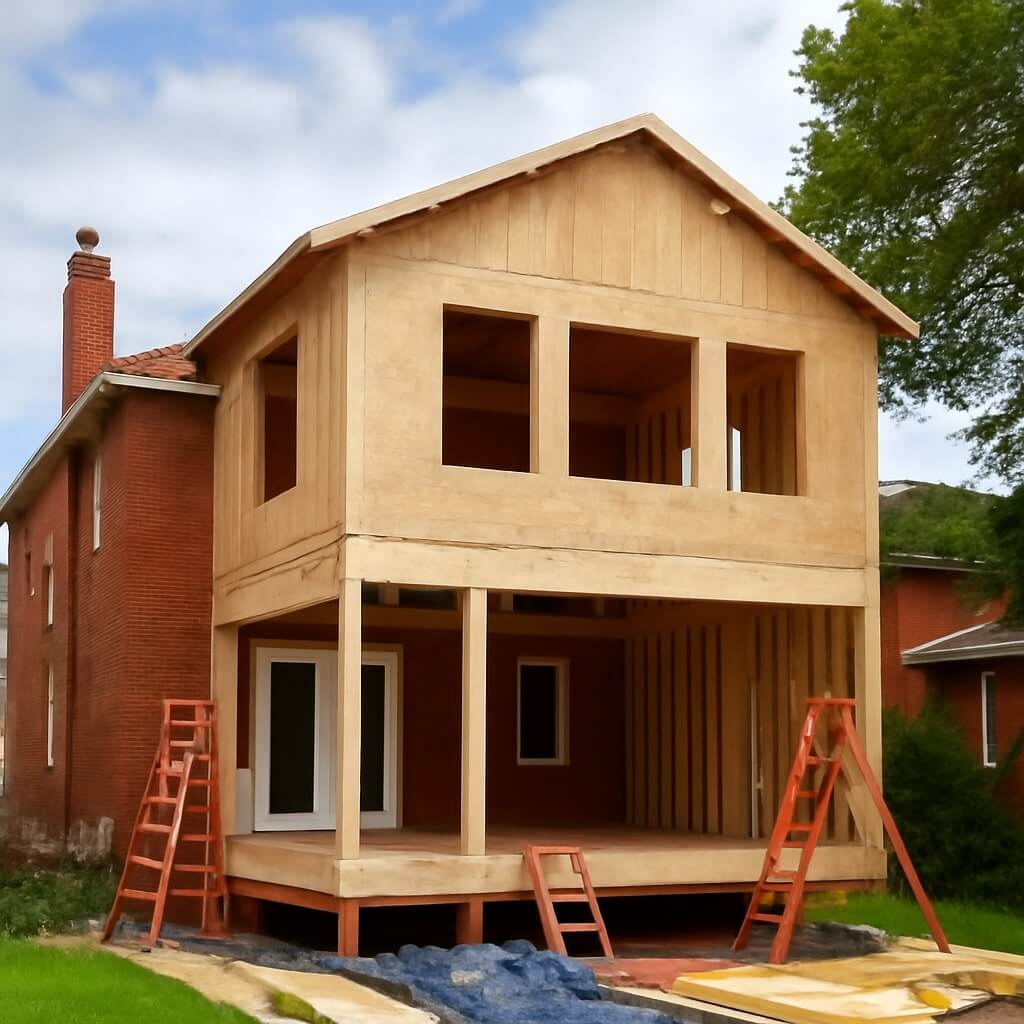
When it comes to planning home additions in Chicago, you’ll want to navigate a maze of considerations. From zoning regulations that dictate what you can and can’t do, to the structural integrity of your property, each factor plays a vital role. Budgeting wisely can mean the difference between a dream space and a financial headache. So, how do you guarantee your project not only meets your needs but also enhances your home’s value? Let’s explore the essentials.
Key Takeaways
- Research Chicago zoning regulations to ensure your home addition complies with local setback and height restrictions.
- Create a detailed budget that includes labor, permits, materials, and a contingency fund for unexpected expenses.
- Choose a design that enhances your home’s functionality while complementing its architectural style and maximizing natural light.
- Assess the structural integrity of your existing home, including the foundation, to avoid costly future repairs.
- Hire experienced contractors with proper licenses and insurance, and maintain clear communication throughout the project.
Understanding Zoning Regulations
When you’re considering a home addition in Chicago, understanding zoning regulations is essential, as these rules can greatly impact your project’s feasibility.
Zoning restrictions dictate how your property can be modified, influencing everything from the size of your addition to its placement. You’ll need to pay close attention to property setbacks, which determine how far your structure must be from the lot boundaries.
Ignoring these regulations can lead to costly delays or even forced removals. So, before you start dreaming up designs, research local zoning laws to guarantee your vision aligns with what’s legally permissible in your neighborhood.
Budgeting for Your Home Addition
When you’re planning a home addition, estimating total costs is vital to avoid financial surprises down the line.
It’s important to account for contingencies, as unexpected expenses often arise during construction.
Estimate Total Costs
Estimating the total costs for your home addition is a crucial step that can greatly influence the project’s success.
Start with a detailed cost breakdown, listing every aspect from labor to permits. Don’t forget to include material estimates, as they can vary considerably based on quality and type.
Research local suppliers to get accurate pricing and consider potential fluctuations in the market. By analyzing these elements, you can create a realistic budget that reflects your vision without breaking the bank.
A well-structured estimate not only keeps you on track financially but also helps avoid surprise expenses down the line.
Plan for Contingencies
While planning your home addition, it’s crucial to account for unexpected expenses that could arise during the project. Effective risk management involves setting aside at least 10-20% of your overall budget for these contingencies.
You never know when issues like plumbing surprises or structural changes might pop up. By anticipating these costs, you’re not just protecting your finances; you’re ensuring the project runs smoothly.
Create a separate contingency fund, and keep track of all expenditures diligently. This proactive approach allows you to adapt without compromising your vision, making your home addition journey a lot less stressful.
Choosing the Right Design
Choosing the right design for your Chicago home addition can feel overwhelming, but it’s essential to align your vision with both functionality and aesthetics.
Start by considering various design styles that resonate with your existing home. Aim for functional layouts that enhance your daily life.
Here are some tips to guide your design process:
- Evaluate your space needs
- Choose a complementary architectural style
- Prioritize natural light and ventilation
- Incorporate flexible spaces for versatility
- Think about future resale value
Assessing Structural Integrity
Before you start your home addition, you need to guarantee that your structure can handle the changes.
This means checking that your plans comply with local building codes and evaluating the condition of your foundation.
A solid foundation not only supports your vision but also protects your investment in the long run.
Building Codes Compliance
Guaranteeing compliance with building codes is essential when planning home additions, as it not only safeguards your investment but also secures the structural integrity of your home.
Familiarizing yourself with building permit requirements and residential construction standards will prevent costly mistakes.
Consider these key points:
- Always check local codes beforehand.
- Secure necessary permits before starting.
- Engage licensed professionals for assessments.
- Confirm materials meet quality standards.
- Document all compliance efforts for future reference.
Following these guidelines helps you maintain safety and stability in your home, allowing for a smooth addition process while protecting your property value.
Foundation Condition Evaluation
As you begin your home addition journey, evaluating the condition of your existing foundation is essential for ensuring structural integrity.
Different foundation types, like slab, crawl space, or basement, react uniquely to soil stability issues. Look for cracks, shifts, or water damage—these can indicate deeper problems.
It’s vital to assess how well your foundation supports your home, especially with added weight from an extension. Check for proper drainage and soil erosion around your property, as unstable soil can compromise your foundation.
Addressing these concerns early on will save you time and money, paving the way for a successful addition.
Hiring the Right Professionals
When commencing a home addition project in Chicago, finding the right professionals can make all the difference between a smooth experience and a stressful one.
Effective contractor selection is vital for successful project management. Here are key factors to take into account when hiring:
Effective contractor selection is crucial for ensuring smooth project management during your home addition.
- Experience: Look for professionals with a solid track record in home additions.
- References: Check previous work and client testimonials.
- Licensing: Verify they’re properly licensed and insured.
- Communication: Choose those who communicate clearly and frequently.
- Budget: Get detailed estimates and understand their pricing structure.
Making informed choices will help your project go as planned!
Considering Permits and Approvals
Before diving headfirst into your home addition project, you’ll need to navigate the maze of permits and approvals that Chicago requires. Understanding permit timelines is essential; delays can stall your project and inflate costs.
Start by researching local zoning laws, as they directly influence your plans. You’ll also want to familiarize yourself with the approval processes, which can vary considerably depending on your neighborhood.
Engaging with your local building department early on can save you headaches later. Remember, getting the right permits not only guarantees compliance but also protects your investment in the long run.
Planning for Future Needs
While you might’ve a specific vision for your home addition now, it’s important to think about how your needs could evolve over time.
Consider how your future needs may change when planning your home addition for lasting functionality.
Planning for future family and lifestyle changes can save you hassle down the road. Consider these factors:
- Potential family growth or new members
- Changes in work-from-home dynamics
- Accessibility for aging relatives
- Space for hobbies or interests
- Adaptable layouts for changing furniture needs
Conclusion
Incorporating these seven key factors will set you on the path to a successful home addition in Chicago. By understanding zoning regulations, budgeting wisely, and prioritizing design and structural integrity, you’ll create a space that not only enhances your home’s appeal but also fits your needs. Don’t forget to enlist experienced professionals and consider future requirements. With thoughtful planning, your new addition will be a seamless blend of functionality and style, ensuring your home remains a haven for years to come.