
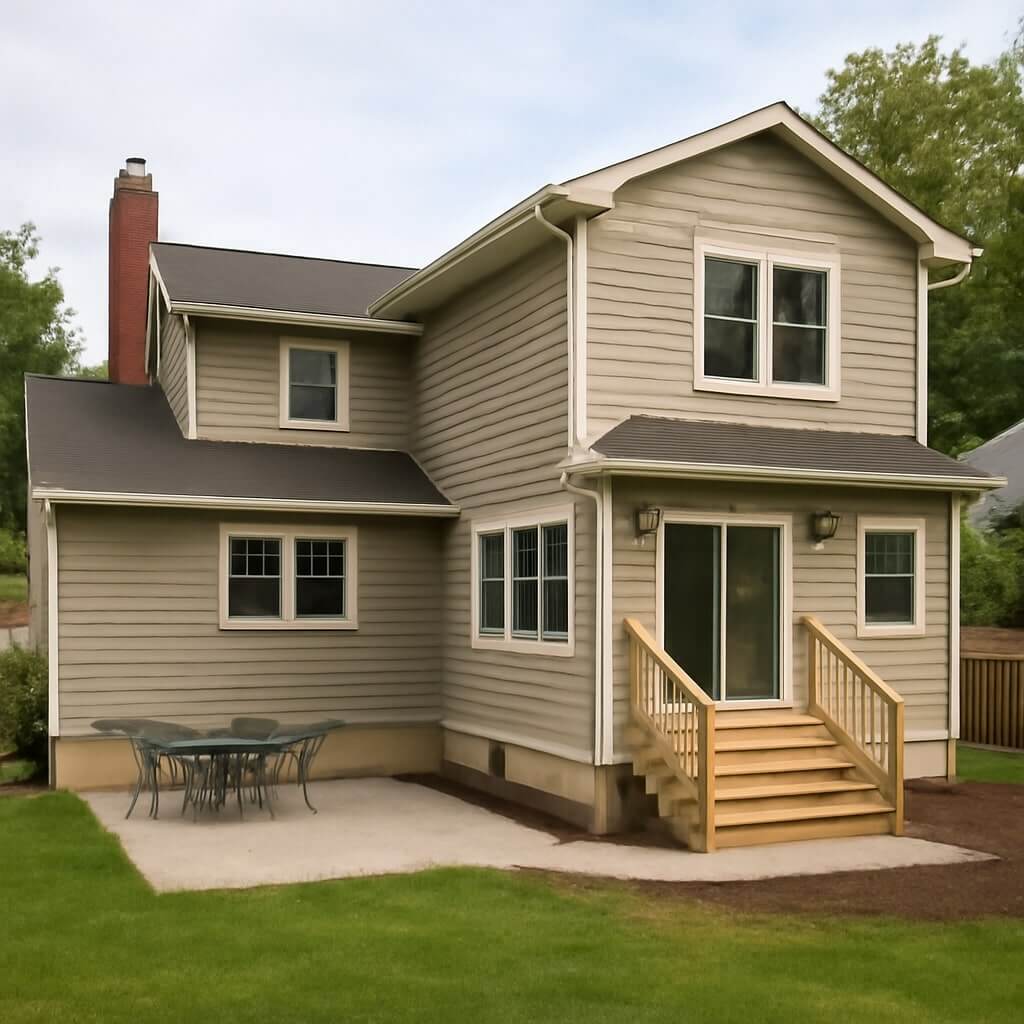
When you’re considering a bi-level home addition, it’s essential to start with a clear vision of your space needs and lifestyle goals. This foundational step sets the tone for your project, guiding every decision from design to budget. But before you get too far ahead, there are other important factors to keep in mind. Let’s explore what you need to know to guarantee your addition not only meets your expectations but also harmonizes with your home.
Key Takeaways
- Assess space requirements to determine the purpose of the addition, ensuring it fits your lifestyle and enhances daily living.
- Research local zoning regulations to ensure compliance with permits, setbacks, and height restrictions before starting your project.
- Design the addition to use similar materials and architectural details for a cohesive look that blends with the existing structure.
- Create a detailed budget that includes a contingency fund of 10-20% to cover unexpected costs during construction.
- Choose a qualified contractor with positive reviews and maintain clear communication throughout the project to ensure effective collaboration.
Assess Your Needs and Goals
Before diving into a bi-level home addition project, it’s essential to assess your needs and goals.
Start by evaluating your space requirements; consider how many additional rooms you need and their intended purpose. Are you welcoming a growing family, or maybe setting up a home office?
Think about your lifestyle changes too. Do you envision hosting gatherings or needing a quiet retreat?
By clearly defining these elements, you’ll create a blueprint that not only enhances your home but also enriches your daily life.
Clearly outlining your needs will help you design a space that elevates both your home and your everyday experience.
This careful assessment guarantees you invest wisely in your space, making it truly functional and enjoyable.
Understand Zoning Regulations and Permits
Have you checked the zoning regulations and permits for your bi-level home addition? Understanding zoning laws is vital before you start. Research local regulations to guarantee your project complies, as violations could lead to costly fines or project delays. You’ll need to submit permit applications, which often require detailed plans. Here’s a quick overview:
| Zoning Aspect | Requirements | Permit Application Steps |
|---|---|---|
| Setback Regulations | Minimum distance from property lines | Gather necessary documents |
| Height Restrictions | Maximum building height | Submit application to local authority |
| Land Use Designation | Residential, commercial, etc. | Pay applicable fees |
| Environmental Impact | Assess potential effects | Await approval |
Stay informed to avoid surprises!
Design for Cohesion With Existing Structure
To guarantee your bi-level home addition feels like a natural extension of your existing structure, focus on design elements that harmonize with the original architecture.
Consider using similar materials, colors, and textures to create aesthetic continuity. Pay attention to rooflines and window styles, ensuring they complement your home’s existing features.
Incorporate architectural details, like trim and molding, that reflect the original design for structural harmony.
Budget Wisely and Plan for Contingencies
Successfully integrating your bi-level addition with the original structure doesn’t just rely on design; it also hinges on smart budgeting and planning for unforeseen expenses.
Start by outlining your budget, ensuring you account for all aspects, from materials to permits. Implement cost-saving strategies like sourcing local materials or opting for energy-efficient designs.
Outline your budget carefully, considering every detail from materials to permits, and explore cost-saving strategies like local sourcing and energy efficiency.
Always set aside a contingency fund—ideally 10-20% of your total budget—to tackle unexpected expenses that may arise during construction.
This way, you’ll keep your project on track without the stress of financial surprises, allowing you to focus on creating the perfect space for your family.
Choose the Right Contractor and Collaborate Effectively
Choosing the right contractor is essential, as a skilled professional can make or break your bi-level home addition project.
Look for contractor qualifications like experience, licenses, and positive reviews. Once you’ve selected your contractor, establish clear communication from the start.
Use collaboration techniques such as regular check-ins and shared project management tools to keep everyone on the same page. Encourage feedback and be open to their suggestions, as they bring valuable expertise to the table.
Conclusion
By focusing on these five essential tips, you’ll be well on your way to a successful bi-level home addition. Assess your needs, navigate zoning regulations, and guarantee your design seamlessly blends with your home’s character. Budget wisely, and don’t forget that a contingency fund can save you from unexpected hiccups. Finally, choosing the right contractor and fostering open communication will bring your vision to life. Embrace the journey, and soon you’ll enjoy a beautifully enhanced living space!