
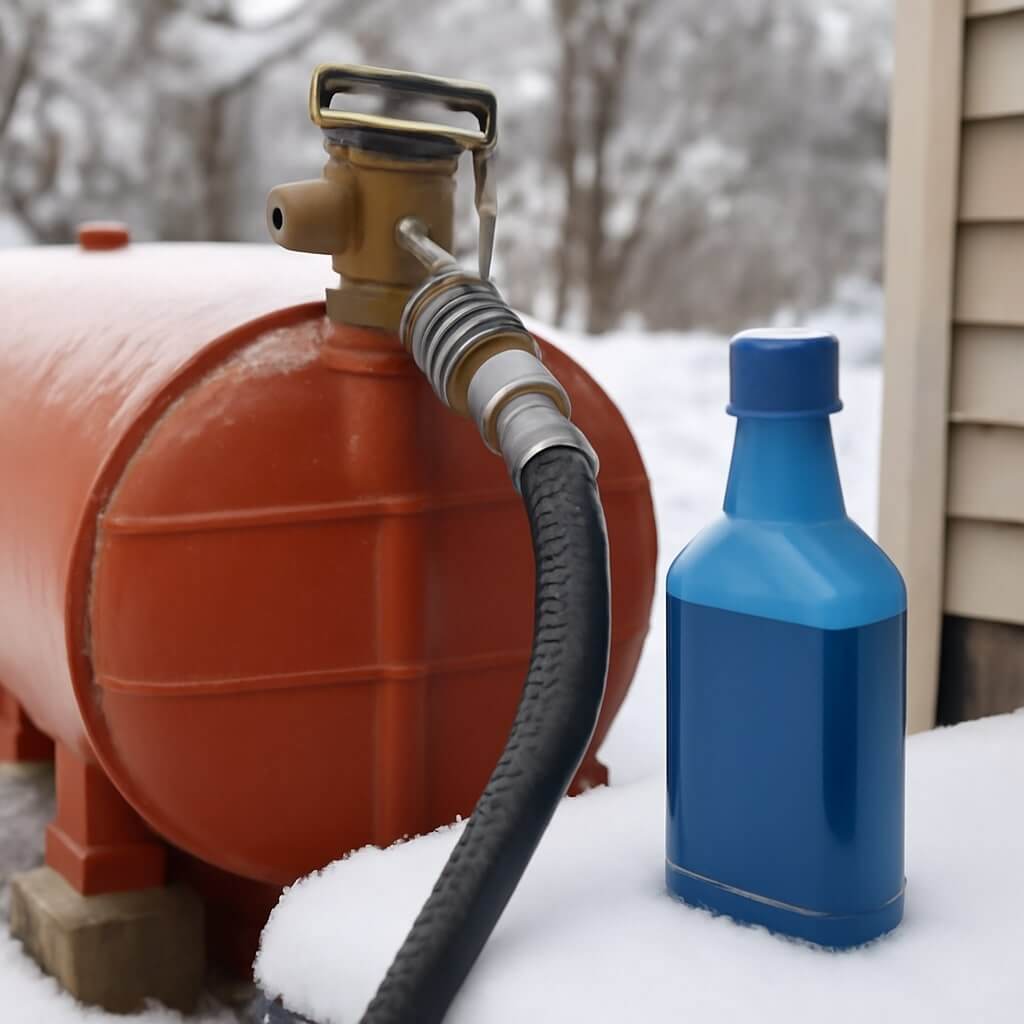
When it comes to home heating oil, understanding anti gel additives is essential for ensuring peak performance during winter months. These additives play an important role in preventing fuel gelling, which can disrupt your heating system. Knowing how they work and the types available can help you make informed choices. However, many misconceptions exist about their use and effectiveness. What should you really consider before adding these agents to your heating oil?
Key Takeaways
- Anti gel additives prevent fuel gelling in heating oil, ensuring smooth flow and efficient combustion in low temperatures.
- These additives modify wax crystals, enhancing heating system performance and preventing clogged filters and system failures.
- Different types of additives exist, including alcohol-based and ether-based, each with unique benefits for improving fuel characteristics.
- When selecting an additive, check compatibility with your heating oil and consider seasonal temperature variations for optimal effectiveness.
- Regular maintenance and proper storage techniques are essential for maximizing heating oil performance and preventing issues during winter months.
Understanding Heating Oil and Its Properties
While you may not think much about heating oil, understanding its properties is vital for efficient home heating.
Heating oil primarily consists of hydrocarbons, and its fuel viscosity plays an important role in determining how well it flows and burns in your heating system. Low viscosity fuels flow easily, guaranteeing proper combustion and heat generation, while high viscosity fuels can lead to operational issues.
Additionally, heating oil’s properties affect its performance in cold temperatures, where viscosity can increase, potentially hindering fuel delivery.
The Importance of Preventing Fuel Gelling
Preventing fuel gelling is essential for ensuring the reliability and efficiency of your home heating oil system, especially during the colder months. Gelling can lead to clogs, reduced fuel efficiency, and increased emissions, negatively impacting both your system and the environment. By addressing gelling, you maintain peak performance and minimize the environmental impact of your heating oil.
| Consequence | Fuel Efficiency | Environmental Impact |
|---|---|---|
| Clogs | Decreased | Increased emissions |
| System failure | Low efficiency | Harmful pollutants |
| Increased costs | Wasteful | Greater carbon footprint |
| Unreliable heat | Ineffective | Strain on resources |
What Are Anti Gel Additives?
Anti gel additives are essential chemical agents designed to prevent fuel gelling in home heating oil.
These substances are formulated to enhance the flow characteristics of the fuel, guaranteeing that it remains fluid even in low temperatures.
By utilizing anti gel formulations, you can considerably reduce the risk of gelling prevention, which can lead to clogged filters and heating system failures.
Utilizing anti gel formulations significantly minimizes the risk of gelling, preventing clogged filters and heating system failures.
They work by modifying the wax crystals that form in cold conditions, allowing for smoother operation of your heating system.
Incorporating these additives into your heating oil can guarantee reliable performance throughout the winter months.
How Anti Gel Additives Work
Anti gel additives work by altering the chemical composition of heating oil to prevent wax crystallization at low temperatures.
This modification enhances performance in cold weather, ensuring efficient fuel flow.
Understanding the proper application and usage guidelines is essential for maximizing their effectiveness.
Chemical Composition Explained
Understanding the chemical composition of anti-gel additives illuminates how they function to guarantee home heating oil remains fluid in cold temperatures.
These additives primarily consist of pour point depressants, which modify the molecular structure of wax crystals that form in low temperatures. By altering the intermolecular forces, they prevent the wax from clumping together, thereby reducing the potential for blockages.
As a result of these chemical reactions, the oil maintains its desired viscosity. This assures that your heating system operates efficiently, even in frigid conditions, providing reliability and comfort throughout the winter months.
Temperature Performance Enhancement
When temperatures drop, the effectiveness of home heating oil can be compromised by the formation of wax crystals.
Anti gel additives enhance temperature stability and promote viscosity reduction, ensuring smooth fuel flow. These additives work by modifying the wax crystals, preventing them from clumping together.
- They lower the pour point of the oil.
- They improve fuel efficiency in cold conditions.
- They maintain peak performance in extreme temperatures.
Application and Usage Guidelines
To maintain ideal performance of home heating oil in cold weather, it’s important to apply anti gel additives correctly.
Start by determining the appropriate dosage based on the oil volume in your tank. Use precise application techniques, such as pouring the additive directly into the tank before refueling to guarantee thorough mixing. Always follow manufacturer guidelines for best results.
Additionally, observe usage precautions: store additives in a cool, dry place and avoid exposure to direct sunlight.
Regularly check the oil temperature to ensure the additive remains effective, especially during extreme cold spells, to prevent gel formation and maintain heating efficiency.
Different Types of Anti Gel Additives
When considering anti gel additives, you’ll find that their chemical compositions vary considerably.
These differences influence their effectiveness in cold weather conditions, impacting how well they prevent fuel from gelling.
Understanding these variations can help you choose the right additive for your heating oil needs.
Chemical Composition Differences
Although various anti-gel additives serve the same primary purpose of preventing fuel oil from gelling in cold temperatures, their chemical compositions differ greatly.
Understanding these differences is essential for effective application.
- Alcohol-based additives: They alter the chemical structure of paraffin wax, reducing gelling.
- Ether-based additives: These enhance molecular interactions, lowering the pour point of the oil.
- Surfactants: They modify the surface tension, helping disperse wax crystals.
Each type’s unique chemical structure plays an important role in its effectiveness, ensuring that you choose the right additive for your heating oil needs.
Effectiveness in Cold Weather
As temperatures drop, the effectiveness of anti-gel additives becomes vital for maintaining the performance of home heating oil.
Different types of additives tackle cold weather challenges in various ways. Some act by lowering the pour point, while others modify the wax crystal structure to prevent blockage.
Performance testing is essential to determine how well these additives function under extreme conditions. You’ll want to choose a product that has been rigorously evaluated to guarantee it meets your heating needs.
Benefits of Using Anti Gel Additives
Using anti gel additives in home heating oil offers significant advantages, especially during cold weather.
These additives enhance your winter preparedness and improve fuel efficiency, ensuring your heating system runs smoothly.
- Prevents fuel gelling, maintaining ideal flow in low temperatures
- Reduces the likelihood of costly heating system repairs
- Enhances overall performance, maximizing energy use
How to Properly Use Anti Gel Additives
To guarantee ideal performance of anti gel additives in home heating oil, it’s crucial to follow the manufacturer’s instructions closely.
Start by determining the appropriate dosage recommendations based on your tank size and the current temperature. Typically, you’ll need to mix the additive with fuel before filling your tank.
For best results, use the proper application methods, such as pouring the additive directly into the tank or mixing it with oil in a separate container.
Ascertain the additive is well distributed by running your heating system for a short period. This will help prevent gel formation and maintain peak heating efficiency.
Potential Concerns and Misconceptions
While many homeowners rely on anti gel additives to prevent fuel gelling in cold weather, misconceptions about their effectiveness and usage can lead to improper application.
Understanding these common myths is essential to managing gelling risks effectively:
- Anti gel additives aren’t a one-size-fits-all solution; their effectiveness varies by formulation.
- Using too much additive can create adverse reactions, potentially worsening gelling.
- Some believe additives eliminate gelling entirely, but they only reduce the risk under specific conditions.
Choosing the Right Additive for Your Heating System
How do you choose the right anti gel additive for your heating system? Start by checking for additive compatibility with your specific heating oil. Not all additives work with every type of oil, so consult your system’s manual or a professional.
Next, consider seasonal considerations; colder temperatures may require a different formulation than warmer months. Look for additives that are effective in the temperature ranges you typically experience.
Additionally, assess the manufacturer’s recommendations and any product reviews to guarantee reliability. Selecting the appropriate additive can greatly enhance your heating system’s performance during winter months.
Tips for Winterizing Your Home Heating Oil System
To winterize your home heating oil system effectively, you need to prioritize the use of anti-gel additives to prevent fuel line issues.
Implement proper storage techniques to maintain oil quality and guarantee your tank is clean and free of contaminants.
Regular system maintenance is essential for peak performance during colder months, so don’t overlook routine checks and servicing.
Importance of Anti Gel Additives
As winter approaches, it’s crucial to contemplate the role of anti gel additives in your home heating oil system.
These additives enhance anti gel effectiveness, ensuring consistent fuel flow even in frigid temperatures. Without them, your system risks clogs and inefficiencies.
- Prevents fuel gel formation in cold temperatures
- Maintains ideal fuel flow to your heating system
- Reduces the risk of costly breakdowns and repairs
Proper Storage Techniques
Proper storage techniques for your home heating oil system can greatly enhance the effectiveness of anti gel additives during winter months.
First, ascertain you use a proper container that’s specifically designed for heating oil, as this minimizes contamination and deterioration.
Next, maintain temperature control by storing the container in a cool, dry place, away from direct sunlight or extreme cold. This helps prevent the oil from thickening and reduces the risk of gel formation.
Additionally, keep the container sealed to avoid moisture ingress, which can adversely affect the oil’s quality.
Implementing these techniques will optimize your heating oil system’s performance.
Regular System Maintenance
Although you may think your home heating oil system is ready for winter, regular system maintenance is essential to confirm peak performance and prevent issues like gel formation.
Prioritizing these maintenance tasks can enhance system efficiency and maintain fuel quality:
- Schedule an annual professional inspection to identify potential problems.
- Replace fuel filters regularly to guarantee ideal flow and prevent clogs.
- Monitor and adjust the thermostat settings for consistent heating performance.
Conclusion
Incorporating anti gel additives into your home heating oil is essential for peak performance during cold weather. By preventing fuel gelling, these additives guarantee smooth flow and reliable combustion, ultimately reducing repair costs and system failures. When selecting the right additive, consider compatibility with your heating oil and seasonal temperature variations. Regular maintenance and the proper use of these additives can keep your heating system efficient and dependable throughout winter, safeguarding your home against the chill.