
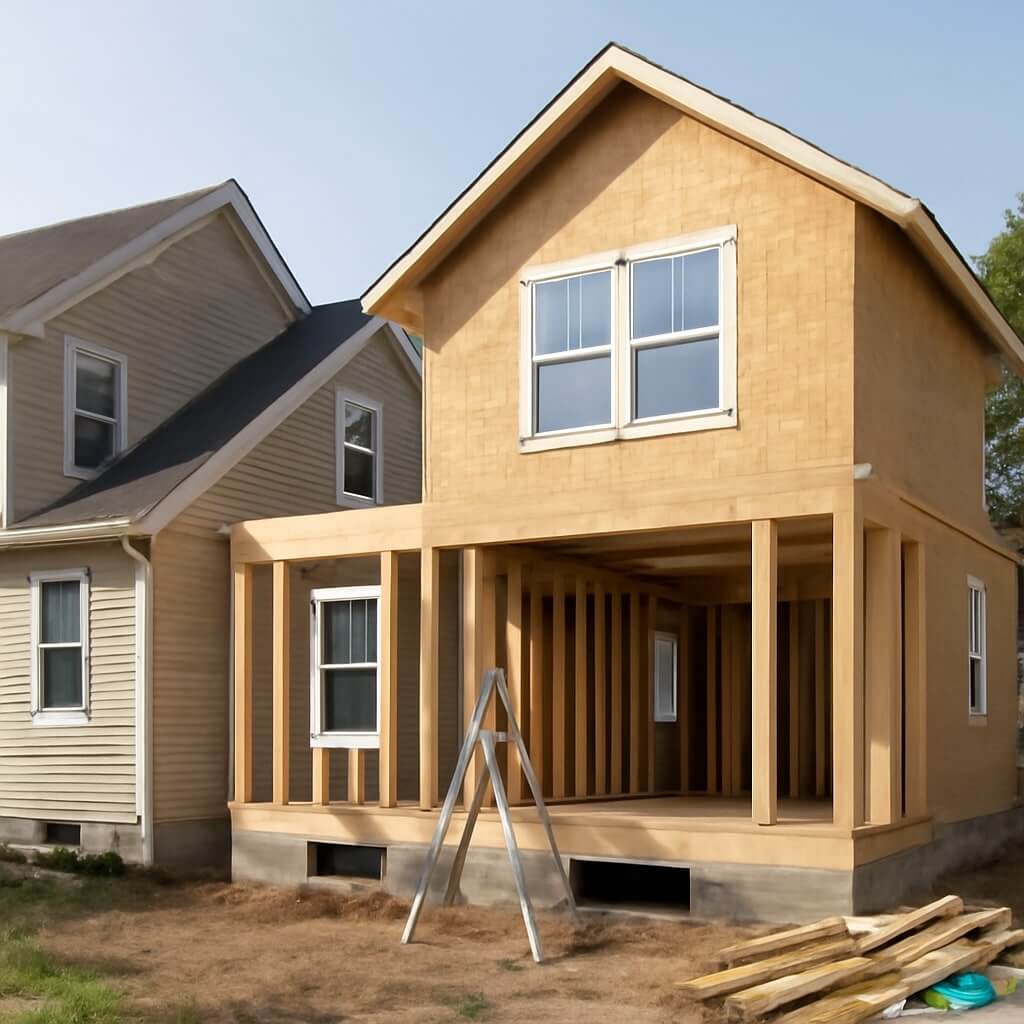
When planning a home addition, understanding the expected cost to pay an architect is essential. Architect fees can range considerably based on various factors, such as project complexity and location. Typically, you might pay between 5% to 15% of the total project cost or an hourly rate of $100 to $250. However, these figures only scratch the surface. Let’s explore the key factors that influence these costs and how to effectively manage your budget.
Key Takeaways
- Architect fees typically range from $100 to $250 per hour based on experience and project complexity.
- Percentage-based fees for projects usually fall between 5% to 15% of the total project cost.
- Design fees cover the architect’s creative input, affecting overall budget considerations.
- Permit costs range from $100 to $500, while inspection fees can vary from $200 to $1,000.
- Comprehensive budgeting should include all associated costs, such as materials and potential structural modifications.
Factors Influencing Architect Fees
When planning a home addition, understanding the factors influencing architect fees can help you budget effectively.
An architect’s experience plays a vital role; seasoned professionals typically charge more, reflecting their expertise and ability to navigate complex projects.
Additionally, project complexity greatly impacts fees. A straightforward addition may require less time and fewer resources, while intricate designs demand more detailed planning and coordination.
By recognizing these factors, you can make informed decisions, ensuring you select an architect who aligns with your budget and project needs.
Ultimately, investing in the right architect can lead to a successful and satisfying home addition.
Average Cost Breakdown for Home Additions
When planning a home addition, understanding the average cost breakdown is essential.
You’ll need to account for design fees, which cover the architect’s creative input, as well as permit and inspection costs that guarantee compliance with local regulations.
Knowing these expenses upfront can help you budget effectively and avoid surprises during your project.
Design Fees Overview
Understanding the design fees associated with a home addition is essential for budgeting your project effectively.
Architects typically charge based on various factors, including complexity and market rates. Here’s a quick breakdown of what you can expect:
- Hourly Rates: Typically range from $100 to $200.
- Percentage of Project Cost: Usually 5% to 15%.
- Flat Fees: Can vary based on project scope.
- Design Trends: Influences overall costs.
- Client Expectations: Tailored designs may increase fees.
Permit and Inspection Costs
Managing the permit and inspection costs for a home addition can be an essential aspect of your overall budget.
You’ll need to submit a permit application, which typically costs between $100 to $500, depending on your location and project size.
Additionally, be prepared for inspections, which guarantee compliance with local regulations and can range from $200 to $1,000. These inspection requirements may include structural, electrical, and plumbing checks.
Budgeting for these expenses upfront not only keeps your project on track but also avoids unexpected delays and fines, ultimately saving you time and money in the long run.
Fee Structures: Hourly Rates vs. Percentage of Project Cost
When considering architect fees for your home addition, you’ll encounter two primary structures: hourly rates and a percentage of the project cost.
Each option has its advantages and drawbacks that can greatly impact your budget and the project’s overall financial management.
Understanding these fee structures will help you make a more informed decision that aligns with your needs and expectations.
Hourly Rate Breakdown
As you explore the financial aspects of hiring an architect for your home addition, it’s essential to grasp the differences between hourly rates and percentage-based fee structures.
Hourly rates can vary considerably based on project complexity, expertise, and location. Understanding these rates helps you budget effectively.
- Architects usually charge between $100 to $250 per hour.
- Complex projects may lead to higher hourly fees.
- Rates often include consultation and design work.
- You may pay more for experienced architects.
- Consider the total hours needed for your project.
Choosing the right fee structure can save you money and guarantee your vision is realized.
Percentage Fee Explanation
While hourly rates provide a flexible option for budgeting, many homeowners prefer to use a percentage-based fee structure for architect fees, especially for significant projects like home additions. This percentage fee structure directly correlates to the overall project value, offering clarity in costs. As your project value increases, so does the architect’s fee, ensuring their compensation aligns with the complexity and scale of the work.
| Project Value | Percentage Fee | Total Cost |
|---|---|---|
| $100,000 | 10% | $10,000 |
| $200,000 | 8% | $16,000 |
| $300,000 | 6% | $18,000 |
Pros and Cons
Choosing between hourly rates and a percentage of project cost for architect fees can greatly impact your project’s budget and overall experience.
- Hourly Rates:
- Flexibility in payment
- Ideal for small projects
- Directly correlates with time spent
- Percentage of Project Cost:
- Aligns architect’s interests with project success
- Potentially higher overall fees
- Encourages thorough planning to avoid project drawbacks
Evaluate architect benefits versus potential drawbacks to determine which structure suits your needs.
Understanding these pros and cons will empower you to make an informed decision that guarantees your home addition stays within budget and meets your expectations.
Additional Expenses to Consider
When planning a home addition, it’s essential to account for additional expenses that can greatly impact your overall budget.
You’ll need to evaluate the cost of material choices, as higher-quality materials can considerably raise your expenses.
Furthermore, the design complexity plays a vital role; intricate designs often require more time and expertise from your architect, resulting in increased fees.
Don’t forget to factor in permits, inspections, and potential structural modifications.
How to Choose the Right Architect for Your Budget
How can you find the right architect without breaking the bank? Start by establishing clear architect selection criteria that align with your vision and budget.
Use these budget alignment strategies to guide your search:
- Define your project scope and budget limits
- Research architects with experience in similar home additions
- Request portfolios showcasing projects within your budget
- Schedule interviews to discuss fees and services
- Get references and reviews from previous clients
Tips for Managing Costs During the Design Process
Finding the right architect is just the beginning; managing costs during the design process is equally important to keep your project within budget. Here are some tips to help you navigate budget constraints while ensuring design flexibility:
| Tip | Description |
|---|---|
| Set a Clear Budget | Define your budget upfront to guide decisions. |
| Prioritize Features | Identify must-haves versus nice-to-haves. |
| Use Standard Materials | Opt for cost-effective, readily available options. |
| Limit Design Changes | Minimize alterations to reduce additional fees. |
| Communicate Openly | Maintain dialogue with your architect regularly. |
Conclusion
In summary, understanding the costs associated with hiring an architect for your home addition is essential for staying within budget. By factoring in fees, potential additional expenses, and choosing the right fee structure, you can make informed decisions. Communicating openly with your architect will help you manage costs effectively throughout the design process. With careful planning and consideration, you can achieve your vision while keeping expenses in check, ensuring a successful addition to your home.