
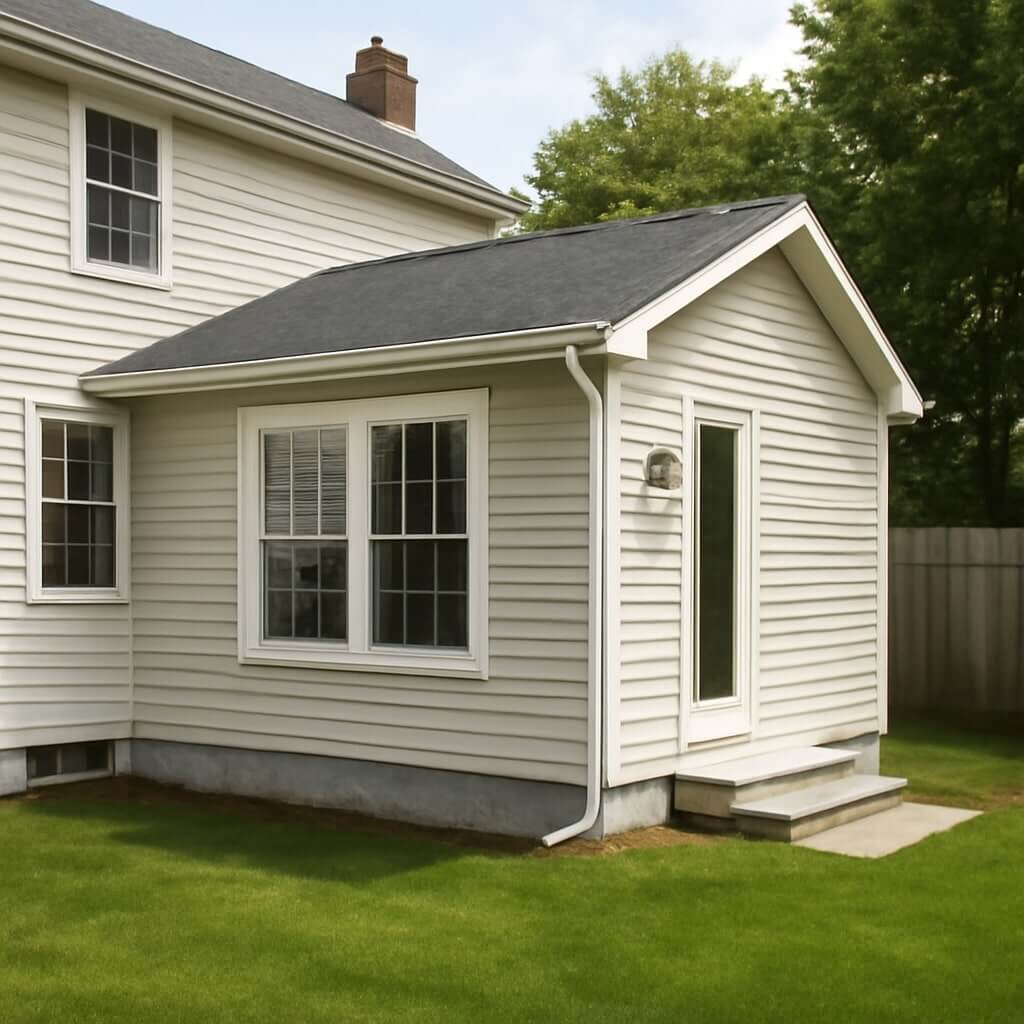
When considering a home addition, it’s essential to understand the various factors influencing costs. Your location, the size of the project, and the specific design elements can all impact your budget greatly. For instance, kitchen expansions can range from $20,000 to $50,000, while garage conversions may cost between $10,000 and $30,000. However, these figures are just the beginning. Exploring additional expenses and budgeting for permits will further clarify your financial pathway.
Key Takeaways
- Home addition costs vary widely, typically ranging from $10,000 for garage conversions to $50,000 for kitchen expansions.
- Location significantly influences expenses, with urban areas generally facing higher labor and material costs.
- Permit fees and compliance with local building codes are essential budget considerations, impacting overall project costs.
- Design choices and materials affect both upfront costs and long-term maintenance expenses, emphasizing the importance of thoughtful selection.
- Additional expenses like architectural fees and design planning should be factored into the total budget for a home addition project.
Factors Influencing Home Addition Costs
When considering a home addition, several factors can greatly affect the overall cost.
One key element is location impact; building in urban areas typically involves higher labor and material costs than rural settings.
Location significantly influences costs, as urban construction often incurs higher labor and material expenses compared to rural areas.
Additionally, the square footage of your planned addition plays a vital role in determining expenses. Larger additions require more materials and labor, driving up costs.
You should also consider local building codes and permit fees, as these can vary considerably by region.
Understanding these factors will help you budget effectively and make informed decisions about your home addition project.
Average Costs by Type of Home Addition
Understanding the average costs associated with different types of home additions can greatly influence your budgeting process.
A kitchen expansion typically ranges from $20,000 to $50,000, depending on the scale and materials used. This investment not only enhances your cooking space but also boosts your home’s value.
On the other hand, a garage conversion can cost between $10,000 and $30,000, transforming unused space into functional living areas.
Factors like location, design, and labor can affect these averages, so it’s vital to get detailed quotes to guarantee you’re financially prepared for your desired home addition.
Budgeting for Permits and Regulations
Maneuvering the maze of permits and regulations is crucial for any home addition project.
Navigating permits and regulations is essential for a successful home addition project.
Understanding the costs involved helps you avoid surprises. Here are four key budgeting considerations:
- Permit Fees: Research local permit fees, which can vary considerably based on your project size.
- Zoning Laws: Verify your plans comply with zoning laws to avoid costly revisions.
- Inspection Costs: Factor in potential inspection fees, which may arise during the construction process.
- Time Delays: Account for potential delays due to permit approvals, impacting your overall budget and timeline.
The Role of Design and Materials
While you might focus on the size and layout of your home addition, the design and materials you choose play a pivotal role in both functionality and aesthetics.
Different design styles, such as modern or traditional, can dramatically influence the overall feel of your space. Material choices, including wood, brick, or composite, not only affect durability but also impact maintenance and energy efficiency.
High-quality materials may cost more upfront but can offer long-term savings. By thoughtfully selecting design styles and materials, you can create a home addition that harmonizes with your existing structure while enhancing your living experience.
Additional Expenses to Consider
When planning your home addition, it’s essential to factor in additional expenses like permits and regulations, which can vary considerably by location.
You’ll also need to allocate funds for design and planning costs, as these can add up quickly depending on the complexity of your project.
Understanding these potential expenses will help you budget more accurately and avoid unexpected financial strain.
Permits and Regulations
Before you commence on your home addition project, it’s vital to understand that permits and regulations can greatly impact your overall costs.
Steering through zoning laws and building codes is imperative to avoid fines and delays. Here are some key expenses to take into account:
- Permit Fees: Costs vary by location and project size.
- Inspection Fees: Required at various stages to guarantee compliance.
- Impact Fees: Charged to offset the addition’s effects on local infrastructure.
- Legal Consultations: Necessary for understanding complex regulations.
Being aware of these factors will help you budget effectively and streamline your project.
Design and Planning Costs
Understanding the costs associated with design and planning is just as important as traversing permits and regulations.
You’ll want to take into account fees for architects, designers, or draftspeople who can help you choose the right design styles for your addition. The planning process often involves creating detailed blueprints and may require revisions, which can add to your expenses.
Additionally, you might need to budget for 3D renderings or virtual walkthroughs to visualize your project. These upfront costs are essential investments that guarantee your addition meets your vision while adhering to local codes.
Proper planning can ultimately save you money in the long run.
Tips for Managing Your Home Addition Budget
While starting a home addition project can be exciting, managing your budget effectively is critical to avoid costly surprises.
Here are some tips to help you stay on track:
- Set a Realistic Budget: Include all potential costs and leave room for unexpected expenses.
- Implement Cost Saving Strategies: Research materials and labor options to find better deals.
- Use Expense Tracking Tools: Regularly monitor your spending to avoid overspending.
- Communicate with Contractors: Maintain open dialogue to guarantee you’re clear on costs and timelines.
Conclusion
In conclusion, understanding the various factors influencing home addition costs is vital for effective budgeting. By considering the type of addition, potential permit fees, design choices, and other expenses, you can better prepare financially. It’s important to gather detailed quotes and remain flexible in your plans to accommodate unexpected costs. With careful planning and informed decisions, you can manage your home addition project successfully, ensuring it meets your needs and stays within your budget.